Install Your LVP Flooring the Right Way
Luxury vinyl plank (LVP) flooring is a popular choice for DIY enthusiasts and professionals alike due to its durability, affordability, and the stunning variety of designs it comes in. If you’re looking to transform your space with a sleek new floor, proper installation is key to making the most out of your investment. From preparation to finishing touches, here’s how to install LVP flooring like a seasoned pro.
Crafting a Flawless Foundation
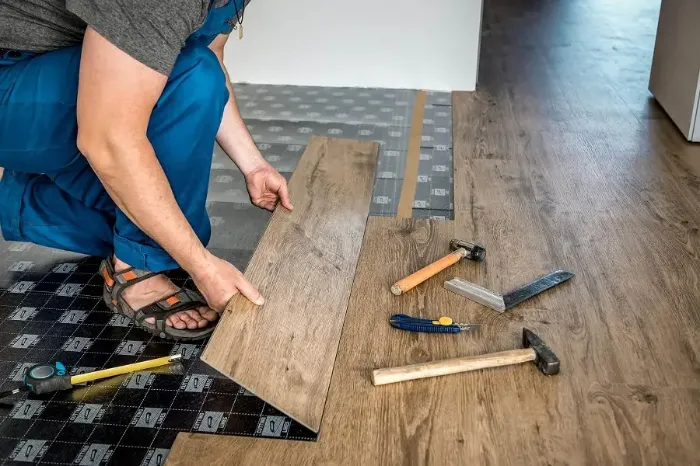
Before you even unbox your first plank, the success of your project hinges on an impeccable subfloor. Any unevenness or bump on the subfloor can lead to noise, uneven wear, and even damage to the planks over time. Start by sweeping or vacuuming the subfloor to remove any dirt and dust, then ensure it’s dry and clean. Use a self-leveling compound to minimize any minor imperfections, and for larger issues, consider sanding down high spots. Remember, the better the foundation, the smoother the result. Precision is your ally; use a level to confirm that the subfloor is as flat as possible and correct any discrepancies. And if you’re dealing with concrete, a moisture barrier is a must to protect your new floor from the ground below.
Laying Down the Planks with Confidence
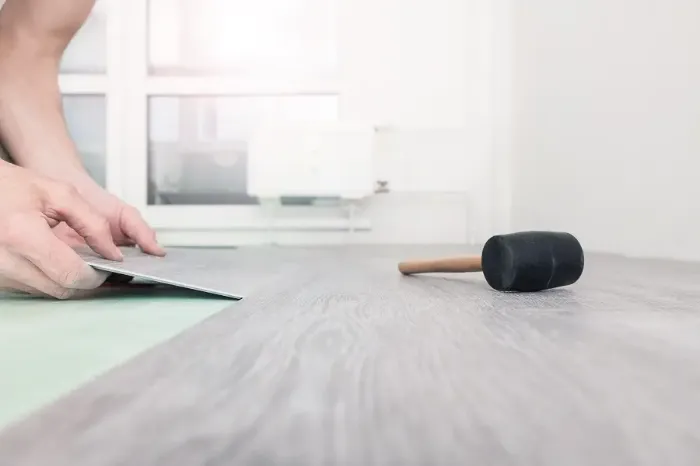
Once your subfloor is ready, it’s time to lay the planks. A common mistake during the LVP flooring installation job is not acclimating the flooring to the room’s temperature and humidity. This process allows the material to adjust and can prevent expansion or contraction after installation. Additionally, starting with a careful plan and layout will help you avoid small and awkward cut planks in corners. Begin with the longest straight wall in the room, laying the planks parallel to this wall for the best visual impact. Use spacers against the wall to provide the recommended expansion gap. Make sure to stagger end joints from row to row by at least six inches for a much stronger floor. A tapping block and dead-blow mallet will help you fit the planks snugly together without damaging the edges.
Nailing the Edges and Overcoming Obstacles
As you move across the room, you’ll encounter doorways, angled walls, and other interruptions. To fit planks around these obstacles, measure and cut carefully. Doors can pose a unique challenge, but with the right technique, you can create a seamless transition. Remove the door completely, then use the planks as a guide for cutting the door trim and frame to allow for the new height of the floor. Be cautious not to overcut and compromise the structure. Here, a profile gauge can be a game-changer, taking the exact shape of the obstacle for a precise cut. Remember to maintain expansion joints around tricky areas as well.
The Finishing Touches That Make All the Difference
Completing the installation with finesse involves more than just laying the planks. Be sure to securely fasten any transition strips and thresholds. You may also need to remove and then reattach baseboards to allow for the new floor’s height. When it comes to the final row of planks, measurements can’t be estimated — they must be exact. Cut planks to fit, ensuring each is firmly in place. Finally, apply a bead of silicone or flooring adhesive to keep the transition strips in place and the edges of the room dry.
Now You Know How To Install LVP Flooring Correctly
You’ve just mastered the art of how to install LVP flooring. With meticulous planning, patience, and attention to detail, your new floor will not only look spectacular but will stand the test of time. Whether you’re revamping a single room or your entire home, installing luxury vinyl plank flooring is a rewarding task that can enhance the beauty and value of your space. But if you ever need expert guidance, look for Ayala Carpet and Flooring LLC. We are a flooring contractor based in Lena, IL. If you want to talk to us, call (779) 222-5830.